
Safety & Operations
What Causes Turbulence — and Why Crews Are Not Worried
Turbulence is a common feature of air travel, but it is rarely a threat to the aircraft itself. The U.S. National Transportation Safety Board…
Home › Safety & Operations › How to Become an Airline Pilot in the USA
Safety & OperationsIn the United States, the first factor in achieving the career of an airline pilot is the 1,500-hour rule. Under federal aviation regulations, both captains and first officers at U.S. airlines must hold an airline transport pilot (ATP) certificate. Generally, this means a total flight time of 1,500 hours, with specific experience requirements in cross-country, night, and instrument time.
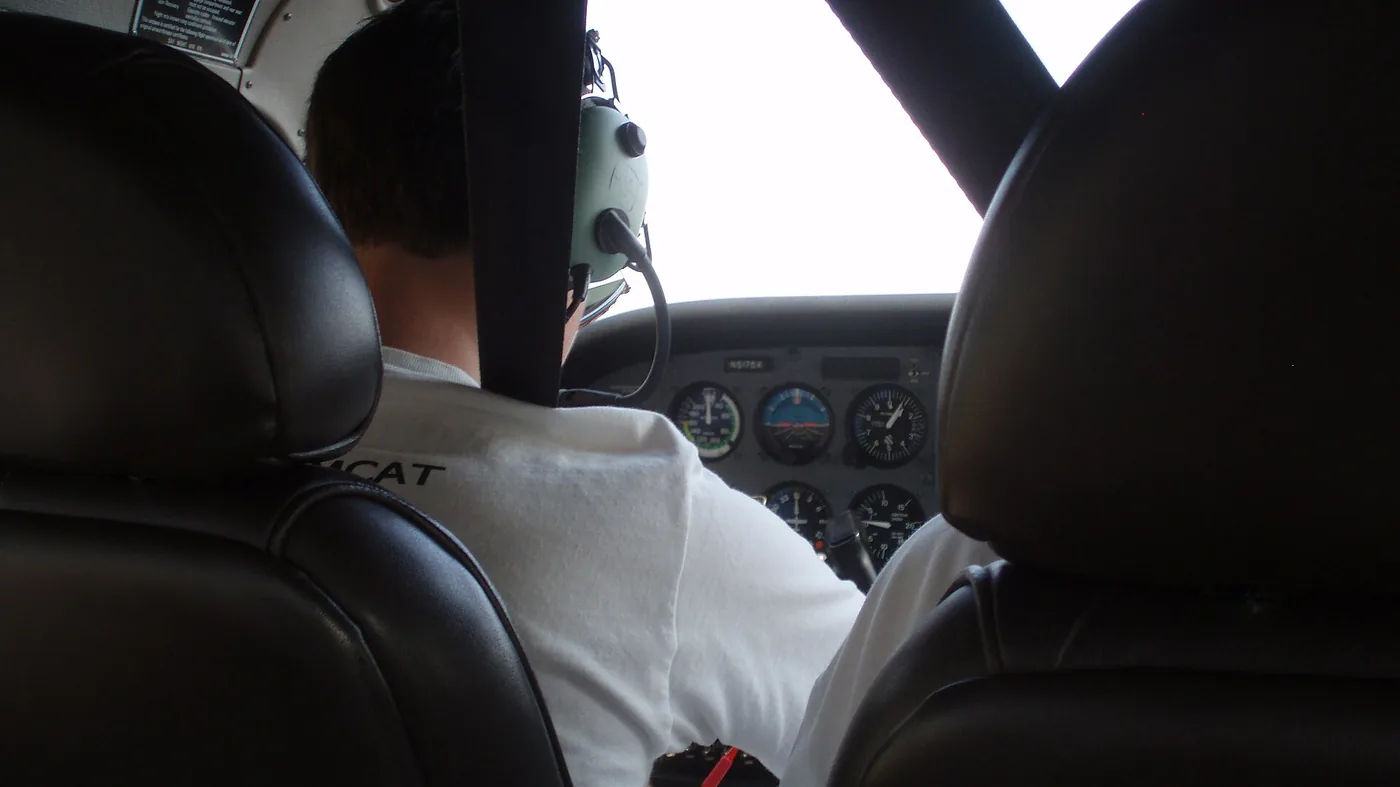
This stringent rule was enacted in 2013 after the Colgan Air crash, which killed 49 people. The disaster prompted Congress to pass the Airline Safety and FAA Extension Act of 2010, setting a minimum training standard of 1,500 hours to qualify as an airline pilot. The rule applies to both captains and first officers in U.S. Part 121 operations.
To earn an unrestricted ATP certificate, a pilot must:
For some pilots, earning a restricted ATP allows them to work as a co-pilot without the full 1,500 hours. This is available to:
Even with these exceptions, pilots still need to accumulate the specified flight times, must pass the same ATP knowledge test, and must complete an ATP certification training program to be rated as an airline pilot. They are restricted to serving as a co-pilot until they reach 1,500 total hours.
Training to be an airline pilot can be expensive. From the ground up, most pilots can expect to pay between $80,000 and $140,000, depending on where they trained, what aircraft they flew, and other cost factors. Training typically begins with a Private Pilot License, the first step in the process of becoming a pilot. This requires a minimum number of flight hours including cross-country, night and solo flight time.
After earning a PPL, pilots typically train for an instrument rating, which allows them to fly in lower visibility conditions. In the U.S., you must have a private pilot license and a minimum amount of instrument flight time, including hours with an instructor.
The cost of training for FAA pilot standards continues to accumulate. Commercial-level training costs commonly range from about $30,000 to $60,000.
To become an airliner pilot, a pilot must take one of two routes. They can either take lessons from a certified flight instructor or they can take a pilot training course.
The certified flight instructor route lets pilots log paid hours while building time.
The pilot training course is an alternative path, though costs and hours vary widely.
Once a pilot has completed their training, they must then gain experience by flying as a co-pilot. This usually takes 1-3 years, depending on the airline. During this time, pilots will accumulate the 1,500 hours of flight time required to qualify for an ATP certificate.
Many aspiring airline pilots build their flight hours by teaching as certified flight instructors (CFIs). This serves two purposes: it allows pilots to earn a paycheck while logging flight hours, and it gives them a chance to hone their skills and gain experience.
To become a CFI, pilots must already hold a commercial pilot certificate and meet the FAA aeronautical experience requirements. They must also pass a practical flight test with an FAA examiner.
Once certified, CFIs can teach a variety of courses, from private pilot training to advanced multi-engine instruction. The more experienced they become, the more complicated the lessons they can teach—and the more hours they can log.
Since 2013, the FAA has emphasized standards intended to ensure that pilots are ready to handle the technology and procedures used in modern airplanes, using instruments and configuring the autopilot.
Pilots have two main routes to earn an ATP: the "standard" 1,500-hour path and the "restricted" reduced-hour path. Both have their pros and cons.
The 1,500-hour standard: 'Exactly as it sounds. It's the most straightforward route, but it requires the most time and is the most expensive. Pilots must have a minimum of 1,500 hours of total flight time, with specific amounts of cross-country and night hours, instrument time, and multi-engine time.
The benefit of this route is that it's widely accepted and recognized. Pilots with 1,500 hours under their belt are attractive to airlines, as they have plenty of experience and have shown a commitment to the profession.
The downside is that it can take a long time—and a lot of money—to reach 1,500 hours. Most pilots build their hours by working as flight instructors, which can be challenging.
The restricted ATP path: This is a newer route, created in 2010. It allows pilots with less than 1,500 hours to work as co-pilots at airlines, as long as they have graduated from an FAA-approved four-year aviation degree program, or have 750 hours of military pilot time.
The benefit of this route is that it's a faster, more affordable way to become an airline pilot. It's also appealing to airlines, as it allows them to hire pilots with less experience, then provide them with additional training.
The downside is that it's not available to everyone. You need to either have a specific type of degree or military experience. And even then, once you do obtain an rating as a transport pilot, you are restricted to working as a co-pilot until you reach 1,500 hours. Many find these requirements discouraging and overwhelming.
So which path is right for you?
That depends on your personal situation and goals. If you have the time and money to accumulate 1,500 hours, and want to be in a position to move up to captain quickly, the standard path may be the way to go. Alternatively, if you're looking for a quicker, more affordable route, or if you already have the necessary degree or military experience, the restricted ATP path could be a good fit.
Keep in mind, the key thing is to figure out which path, the one outlined by the FAA or the structure of a traditional university or college aviation program, will best prepare you for success in an airline cockpit.
And there are many other considerations that factor into what FAA rating is best for your needs, including vacations, pay, base cities and seniority. With so many options, it can seem overwhelming at first, but with planning, a solid education and experience you can determine the best path to a career in aviation for your needs, needs and goals. And then, once you've got your ATP, you can focus on becoming the best, most safest pilot you can be.
Why we published this. A realistic map of the licences, hours and money between a first lesson and an airline flight deck.
Turbulence is a common feature of air travel, but it is rarely a threat to the aircraft itself. The U.S. National Transportation Safety Board…
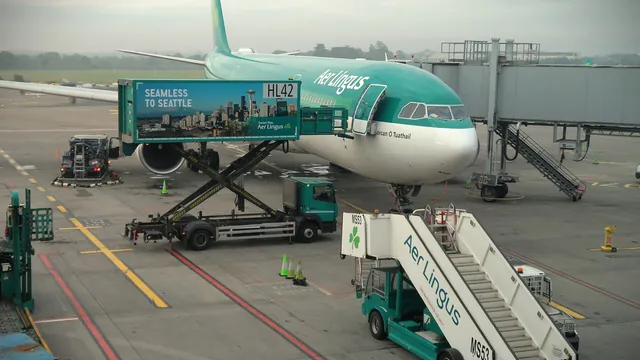
An aircraft on the ground between flights is often mistaken for downtime - but in reality, the turnaround is one of the most tightly coordinated…