What Happened to US Airways: How a Major Carrier Became American Airlines
In October 2015, US Airways stopped existing as a standalone airline. That was when American Airlines quietly completed a meticulous, months-long project: transferring all remaining US Airways reservations, flight numbers, and passenger data into its own computer system. With that data now fully inside American's Sabre system, the US Airways brand had vanished from both the website and the booking process. But for travelers still seeing US Airways livery on planes or checking in at US Airways counters, the old airline seemed to linger.
Airways Center desk·7 September 2026·1619 words
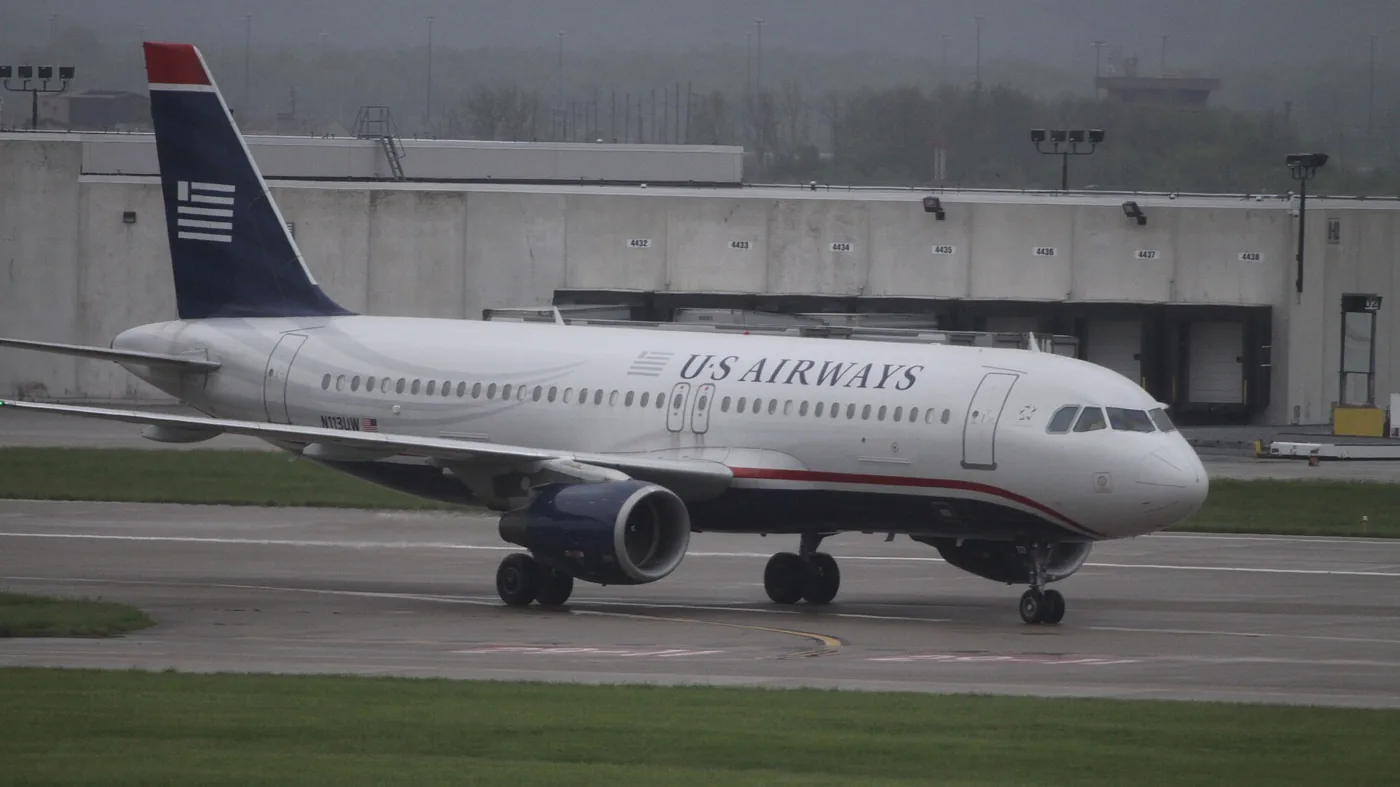
Photo: N113UW Airbus A320 US Airways (9315105357) — Aeroprints.com, CC BY-SA 3.0 (Wikimedia Commons)
For an airline that had once ranked among the largest carriers in the world, the transition was stunning in its swiftness and completeness—all the more so considering that the merger announcement had been made nearly a year and a half earlier, in February 2013. Yet in the end, the path to US Airways' disappearance was mapped out in a deliberate sequence of mergers, Coordinated efforts by American and US Airways personnel to integrate the airlines' reservations systems and routed passengers through hubs were completed in phases, with the final steps accomplished by the end of 2015. There were, of course, errors and setbacks, but overall the integration went smoothly.
When American's integration was complete, the Shares reservation system no longer existed. All of the airline's inventory had been moved to Sabre, and American was able to turn the system off later that month. The US Airways brand had been extinguished for all practical purposes and the airline's operational footprint was fully under the control of American Airlines Group. Passengers no longer had the option to book flights on usairways.com or online via the Dividend Miles program; AAdvantage was the only choice.
The timing of the transition depended on several factors, but one key milestone came on 8 April 2015, when the integration looked inevitable. On that day, the FAA granted a single operating certificate for both American and US Airways, formally recognizing them as one airline in the eyes of the government. The certificate allowed American to fly US Airways planes and service over-the-counter US Airways flights, effectively cementing the merger that had been in the works for over two years. For investors, this was a major step towards an already anticipated success. The market drove American's stock price up and kept it there. American described it as a "major milestone" in the integration.
While a major regulatory hurdle had been cleared, the work to fully integrate US Airways into the AA family was still ongoing. At the time, Parker took a hard line: The US Airways brand had not yet been eliminated, and for good reason. Miles had yet to be transferred, and the airlines were in the process of working out the intricacies of aligning their loyalty programs. The reservations cutover, which would be the final step in the process, was still months away.
For travelers, the immediate impact was minimal. The airlines still operated independently, with separate websites, airline numbers, employees, check-in counters, and even loyalty programs. It was after the FAA granted this certificate that the group began to fully integrate the two airlines, but it was a gradual process. The next big push came with the consolidation of loyalty programs. American had begun the process of integrating its AAdvantage program with US Airways' Dividend Miles in the fall of 2014, and on March 28, 2015, all US Airways loyalty accounts were frozen ahead of a complete data migration. Customers who hadn't yet linked their Dividend Miles accounts to AAdvantage accounts did so at that time, and all remaining balances were transferred into the AAdvantage program. US Airways' Dividend Miles program was similarly put out to pasture as part of the integration. Its balances and elite activity were folded into American's AAdvantage program.
With the elite status, award mileage balances, and "Million Miler" balances of Dividend Miles members now safely ensconced in AAdvantage, it was time to move on to the next step: integrating the airline's reservations. American had been operating on the Sabre system, while US Airways had been using Shares. The airlines had previously joined Dividend Miles and AAdvantage, but now they needed to merge their reservation segments, including the flight numbers of both airlines. In 2015, American's IT team began the process of transitioning US Airways flights off of Shares and onto American's Sabre system. This involved moving all of US Airways' flight numbers, bookings, and passenger data over to American's reservation system. The transition also required the airlines to coordinate with each other to ensure that passengers could still book flights, change flights, and check in using both US Airways and American Flight numbers.
The next 6 months saw media reports on the progress of the IT integration, stresses and delays as the transition period stretched past its planned completion date, and the eventual success of the cutover in October 2015, with the reservations system handed over to American. Both airlines' flight numbers and reservation segments were combined, and passengers were able to book, change, and check-in for flights using either US Airways or American Flight numbers. The transition was a significant achievement, and it was hailed as a success by both airlines and the aviation industry. The new, integrated reservation system allowed for a more seamless experience for passengers, and it also allowed the airlines to operate more efficiently.
With reservations and loyalty programs in hand, American had taken control of the levers that matter most to travelers. But the elimination of US Airways wasn't yet complete. The airlines still operated independently, and while the Sabre system had replaced Shares for reservations, some US Airways flights were still booked on Shares and required manual updates in American's system. The airlines were required to fix the error by reporting inaccurate data to the Department of Transportation.
The next push came in late October 2015, in favor of American. During this trial period, passengers on US Airways flights were greeted by American Airlines staff at the airport, where US Airways-branded services, such as check-in counters and kiosks, were replaced with American Airlines equivalents. The airline also began phasing out US Airways signage, such as gate signs and overhead bins, in favor of American Airlines signage. This was after the FAA granted its permission for the transition of the airlines' flight numbers, as well as their flight attendant uniforms.
With the finalization of the reservation transfer, American Airlines was able to begin the process of officially rebranding the airline. That process involved changing the names and logos on everything from boarding passes to baggage tags. The airline also had to update its IT systems to ensure that everything from check-in kiosks to baggage tags reflected the new name. The process took several months to complete, and involved a significant amount of work from both the airline and its IT partners.
The final step was to change the airline's name on its stock exchange listing. In 2015, the airline announced that it would change its NASDAQ ticker symbol from US Airways Group Inc. (LCC) to American Airlines Group Inc. (AAL) in December 2015, to reflect the elimination of the US Airways brand. In December 2015, the airline officially changed its name to American Airlines Group Inc., and its common stock commenced trading under the ticker symbol "AAL".
In October 2015, American Airlines completed the transition of all US Airways flights onto its Sabre reservation system. This marked the end of the US Airways brand as a standalone entity, as all of its flight numbers, bookings, and passenger data had been fully integrated into American's system. With this change, passengers could no longer book flights on the USairways.com website or through the Dividend Miles program, as both had been discontinued in favor of AAdvantage. The airline also announced that US Airways would cease to be a separate operating entity later in 2015, and that all of its remaining assets, including its flight attendant uniforms and organization designation, would be consolidated under American Airlines.
The consolidation was a significant milestone for American Airlines, as it marked the end of a lengthy integration process that had begun with their merger announcement in 2013. The airline had faced numerous challenges in integrating the two carriers, including discrepancies in their loyalty programs, reservations systems, and organizational structures. However, with the completion of this final step, American Airlines was able to fully integrate US Airways into its operations and focus on expanding its reach and improving its customer experience.
While US Airways was no longer a standalone entity, American Airlines made a commitment to honoring all existing contracts and commitments made to the regional arm. This was critical to maintaining the regional arm's regional pay and work rules, as well as keeping former US Airways flight attendants happy.
Years after the announcement, there is little physical evidence that US Airways ever existed. All of the airline's steel had been refabricated and painted in the American livery, and passengers no longer had the option to earn or redeem Dividend Miles. Even the airline's signature grey uniforms had been phased out and replaced with the polished American apparel, signaling a final farewell to the US Airways brand.
The process of integrating US Airways into American Airlines was a complex and challenging task that required significant effort from both airlines and their IT partners. However, with the completion of this final step, American Airlines was able to fully integrate US Airways into its operations and focus on providing a seamless and consistent experience for its passengers, while also honoring all existing contracts and commitment to the regional division. With the US Airways brand officially gone, American Airlines was able to move forward as a unified and streamlined airline, with a stronger position in the competitive airline industry.
However, this doesn't mean that all traces of US Airways have disappeared. American Airlines still recognizes US Airways' history and legacy, and several former US Airways employees are still a part of the American Airlines team. Additionally, some of the airline's existing hubs, such as Charlotte and Philadelphia, were originally US Airways hubs before the merger. These factors are a reminder of the important role that US Airways played in the development of American Airlines, and the continued presence of its legacy within the company.
Why we published this. An accurate account of a merger most people only half remember, and where its pieces ended up.