How Airline Alliances Actually Work - And What Star Alliance, SkyTeam and Oneworld Are Worth to a Passenger
Global airline alliances promise a more standardised travel experience, but their actual value to passengers comes mostly through reciprocal elite benefits and a handful of specific airport advantages. While the logos may join the planes, the booking is still with a specific airline and the alliance mostly just harmonizes mileage earning, lounge access, and baggage rules.
Airways Center desk·23 August 2026·662 words
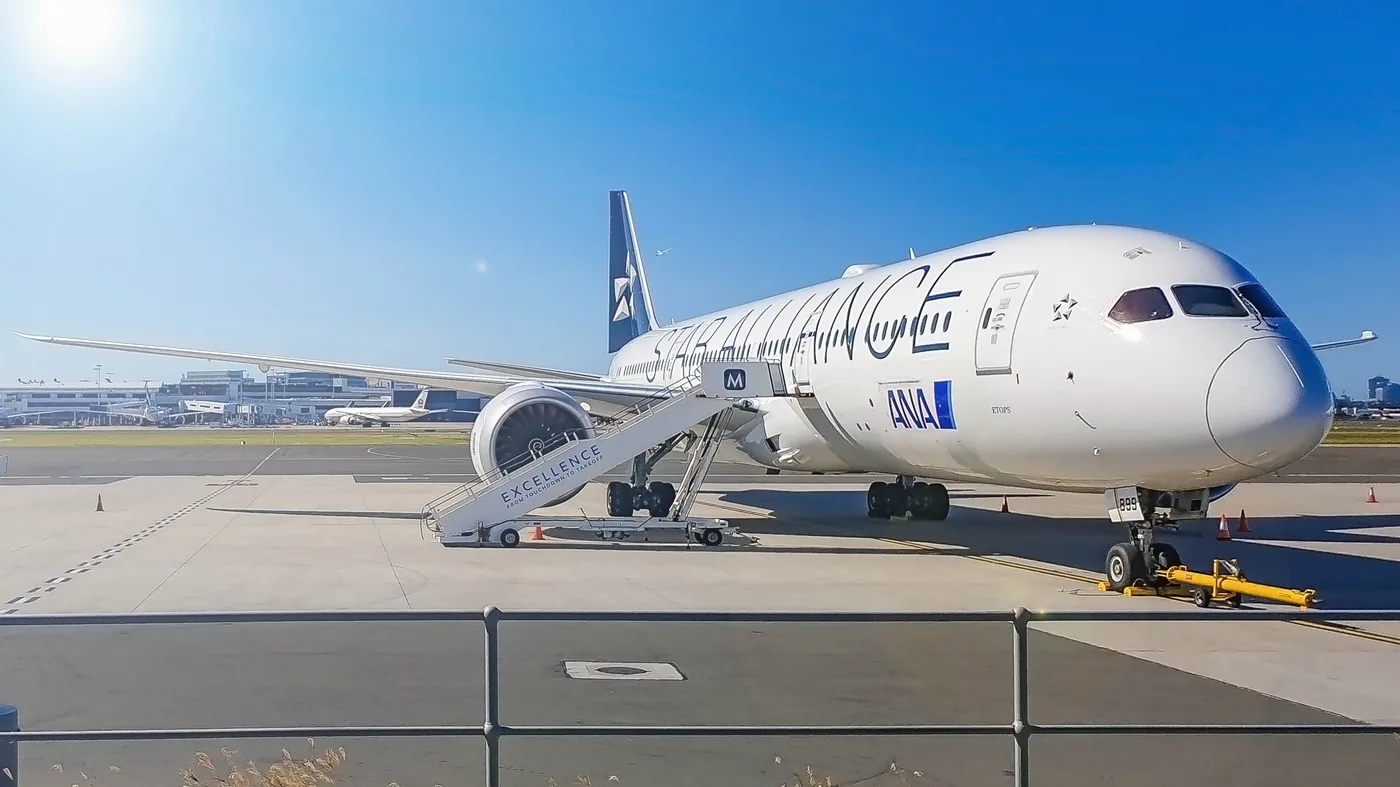
Photo: ANA Star Alliance Livery 787 — Vismay Bhadra, CC BY-SA 4.0 (Wikimedia Commons)What this piece covers
Alliance benefits are real, but they are mostly status rules
The most tangible benefit from airline alliances is extra mileage earning and reciprocal elite status recognition. There are individual benefits within each alliance, but the general idea is that if you have a certain status on one member airline, it will be recognised by other airlines in the same alliance.
Star Alliance, for example, says members can earn and redeem status miles across all member airlines’ frequent flyer programmes with a single frequent flyer card. And for Star Alliance Gold members – an equivalent of oneworld Emerald – the benefits include an extra 20 kg of checked luggage or an additional piece, depending on the system used.
SkyTeam’s passenger value is framed around seamless connections and elite reciprocity
The SkyTeam alliance describes itself as offering more than 636 airport lounges worldwide and prioritises its elite members. Vietnam Airlines, for example, promotes its SkyTeam membership with the benefits of a "seamless connection" including single check-in, priority check-in, priority boarding and baggage, and reciprocal lounge access for Elite Plus and Elite passengers.
However, it’s important to note that this is from a member airline, so the actual experience may vary depending on which airline is being flown and the specific benefits of their elite status program.
oneworld’s value is tiered and depends heavily on status
The oneworld alliance is structured with three tiers – Ruby, Sapphire, and Emerald – depending on the member airline’s frequent flyer program. SriLankan Airlines, for example, frames its tiers as equivalent to oneworld Emerald (flySMILES Platinum ), oneworld Sapphire (flySMILES Gold). The benefits for the Top tier status members with these tiers translate into access to up to 620 airport lounges worldwide.
Like most alliances, the lounge access and other airport benefits are generally tied to which elite tier the passenger has achieved and which airline is operating the flight. Compared to SkyTeam, oneworld lounge access seems to start from a higher elite tier with Sapphire, though that depends on the specific member airline.
Lounge access is where alliance value becomes visible to travelers
Lounge access is often the most visible and tangible benefit of airline alliances, though the specific rules and eligibility vary significantly between alliances and airlines. In general, achievements beyond that of a mid-tier elite status need to be shown for access to the lounge.
For Star Alliance, Gold members and higher can access airport lounges worldwide when traveling on a Star Alliance airline, regardless of cabin class. SkyTeam’s Elite Plus members also gain reciprocal lounge access, while oneworld introduces lounge access at Sapphire and Emerald tiers.
But it’s crucial to note that this is a topline rule; the specifics will depend on the member airline, the alliance, and in some cases, the cabin of the ticket.
Baggage and boarding are the other tangible benefits
Alongside lounge access and mileage earning, baggage benefits and priority boarding are often highlighted as the main ways an alliance improves the actual travel experience. Star Alliance, for instance, offers extra baggage allowance for its Gold and above members, and SkyTeam touts premium baggage handling for its elite passengers.
However, the actual baggage benefit offered varies significantly, and it may not apply to all alliance airlines. For example, Star Alliance Gold members get an extra 20 kg or one additional checked bag, but oneworld’s equivalent benefit through Alaska Air only applies to member flights operated by Alaska.
The booking experience is still airline-specific
While alliances offer a few standardised and reciprocal benefits, the actual booking and in-flight experience will still be determined by the operating airline. Booking with an alliance credential, status or miles will generally not change the flight experience.
So when looking at a booking, it’s crucial to check which airline is operating the flight and what the specific benefits are for that airline’s alliance tier. The alliance value may be additional mileage earning and lounge access, but the overall airline experience will still depend on the operating partner.
Why we published this. A working model of what changes on a booking when two carriers are partners, and what does not.