Flying Smart
Why boarding on flights is so slow - and the boarding strategies that actually work
Imagine you are on flight 435 to London Heathrow. The airline boards the plane in five zones. As a Zone 4 passenger, you board last. Why does the…
Home › Flying Smart › Delayed or Cancelled in the US: What the Airline Owes You
Flying SmartPassengers whose flights have been canceled or significantly delayed are now entitled to automatic cash refunds under a new rule from the U.S. Department of Transportation. The rule, announced in April 2024 as the DOT's automatic cash refund rule, establishes a simpler path to a refund when U.S. or foreign airlines cancel a flight or make a significant change to the flight, and the passenger does not accept the alternative options offered, such as a rebooked flight or compensation.
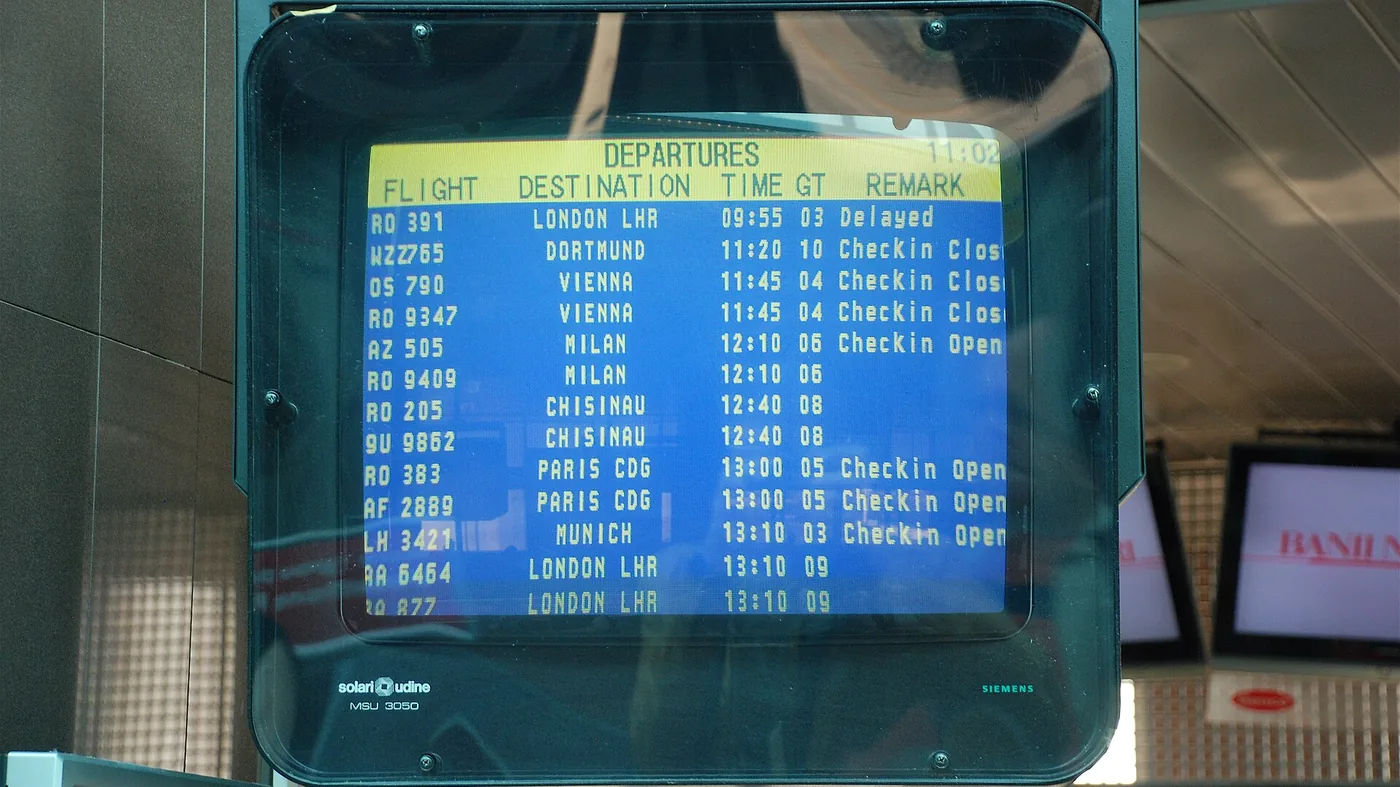
Previously, passengers had to request a refund, and the process was not automatic. The new final rule changes that, requiring airlines to provide prompt automatic refunds when they cancel or significantly change flights that passengers do not accept, regardless of the reason, if the passenger does not accept the alternative option, [2][3][4][5].
This means travelers now have a clear path to a cash refund if they choose not to accept the alternative options the airline offers. A passenger is entitled to the refund if the alternative flight is not one the consumer accepts, including if no new flight is offered or if the passenger rejects the option [6][9].
The rule defines a “significant change” as one in which the domestic departure time or arrival time is three hours different from what was originally scheduled or if the international departure or arrival time is six hours different[2][5]. It also considers a change significant if it involves:
When a flight is canceled or significantly changed, the rule requires that airlines promptly refund consumers the price of the ticket entirely in cash, or offer the option to accept a rebooking through one of the airline’s alternative options, such as accepting a different flight with the same carrier, or accepting compensation in the form of a voucher, miles, or other benefits.
travelers will quickly need to decide how to proceed: accept the rerouted flight, accept the voucher or other benefits, or reject both and opt to be refunded the full value of their ticket—with no obligation on the consumer to accept benefits [4][8][9].
The automatic refund rule specifies that additional fees and deposits are also refundable, such as the purchased fee for a checked bag or for other special services, if those services were paid for but then not received, including when a flight is canceled [6][7].
Meanwhile, the rule distinguishes refund rights from customer service and other benefits an airline may choose to provide to passengers, such as accommodation, meals, transportation, or monetary compensation, none of which are required beyond the automatic refund rule 101112.
While the refund rule is meant to provide a smoother path to a cash refund, delays and cancellations due to uncontrollable reasons such as those due to weather or air traffic control, will continue to limit a passenger’s options for benefits and compensation beyond a refund.
[Assertion: IT-related disruptions are considered under the control of airlines, which may impact a carrier’s customer service responsibilities under their terms, but do not affect a passenger’s right to a refund under the DOT’s rule without accepting the offered alternatives.]
Coupled with protections at the airline level to rebook or reaccommodate, the DOT’s new rule gives passengers more leverage to insist on a refund. When a flight is delayed, canceled, or rerouted, this is what you should do:
- finally: if refusing the alternative, explicitly ask for a refund, citing the DOT’s new rule.
The DOT says passengers will not need to waste time calling to file a refund request when a flight is stranded, and airlines must promptly issue the refund in cash, if not already given benefits or rebooked on an alternative flight [8].
Passengers have a new clearer route to a cash refund when a flight is canceled or significantly delayed, with refunds now issued automatically. Yet the rule does not change all of the benefits or services airlines may offer beyond what is covered by the rule, which services are still at the airline’s discretion.
Why we published this. A step-by-step path from a cancelled flight to a refund or a seat on another aircraft.
Imagine you are on flight 435 to London Heathrow. The airline boards the plane in five zones. As a Zone 4 passenger, you board last. Why does the…
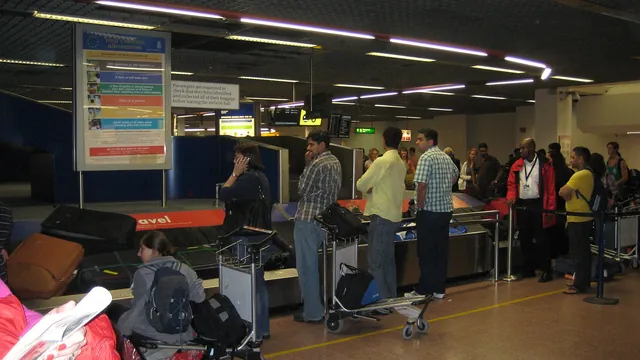
When packing for your next flight, make sure to check your airline's carry-on size rules. The regulations governing cabin baggage are a mix of…