Aircraft & Tech
What's the Difference Between Narrowbody and Widebody Aircraft?
When comparing flight itineraries, one factor that can affect the overall passenger experience is the type of aircraft used for the route. Among the…
Home › Aircraft & Tech › How to Read an Aircraft Tail Number
Aircraft & TechFinding yourself on a flight and realizing you’ve booked a seat on a particular aircraft is a common experience. And yet, despite its appeal to many, finding out the actual tail number can be a bit tricky. Our goal here is to help you understand what an aircraft tail number means, and how it can help identify your specific flight.
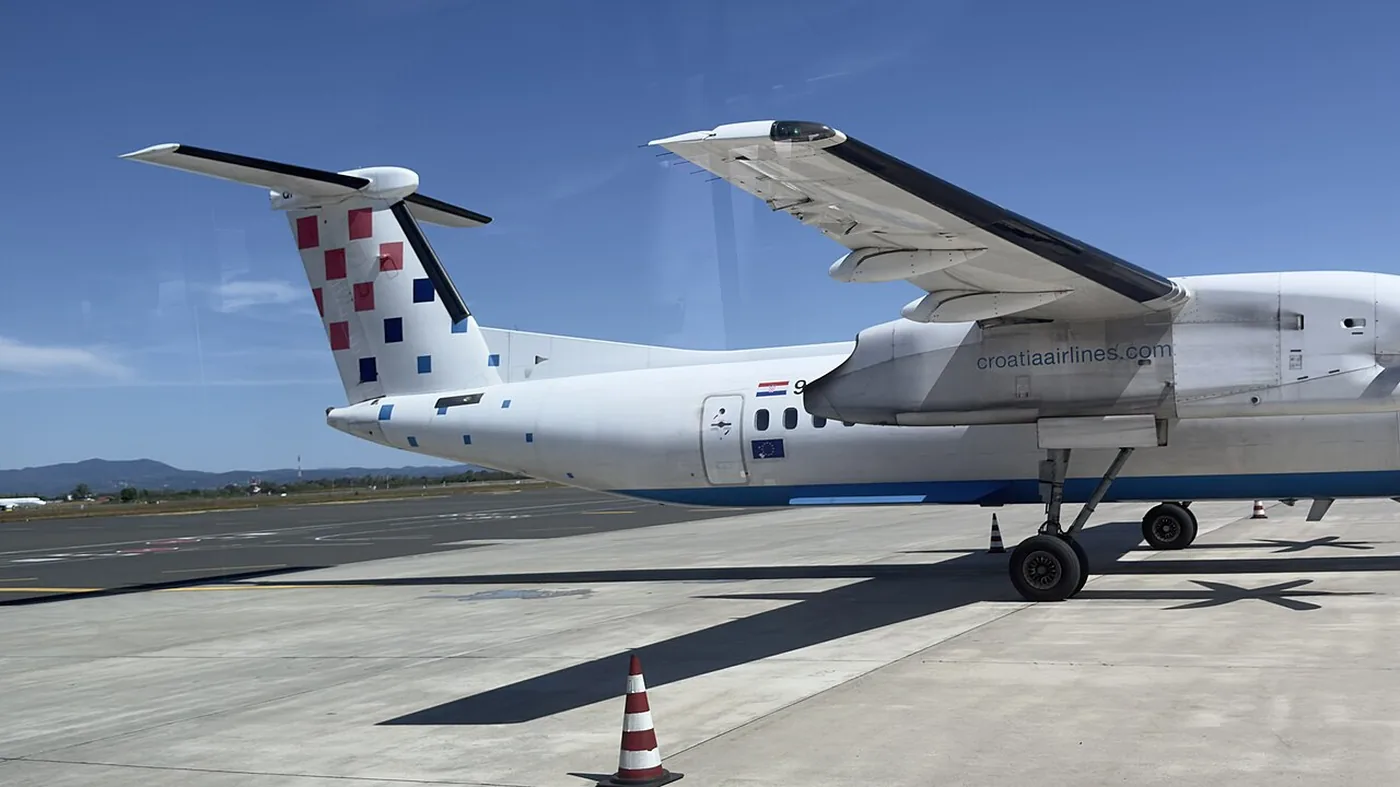
Every aircraft tail number begins with a nationality mark that identifies its country of registration. And for flights in the United States, you’ll find yourself dealing with the country prefix "N" -- or "N-number," as it’s commonly called.
The first character(s) of an aircraft registration are the nationality mark assigned to a state by the International Civil Aviation Organization (ICAO). The organization maintains a table of nationality marks, which are standardized and published in official documents. These prefixes—such as "G" for the United Kingdom, "D" for Germany, "JA" for Japan, and "N" for the United States—are used to identify the country of registration for a civil aircraft 1,2,8.
The N-number is available to eligible American corporations or individuals who wish to own or lease an aircraft. Before any flight can take off, FAA officials will inspect the aircraft and assign it a unique registration number.
When it comes to the actual format, the FAA has strict rules about how N-numbers can be formatted. Only one letter is used, followed by one to five body characters. The characters can include a combination of numbers and letters, but the first character after N cannot be a zero (0).
Some examples of valid N-numbers are N12345, N1234Z, and N24BY. Contrariwise, the FAA no longer issues registration marks beginning with the prefix "NC," "NX," "NR," or "NL," which were used historically. So any time you spot a current US registration, it'll only start with the single prefix "N," followed by the combination of numerals and letters shown above 3-6,14.
If you’ve traveled the skies for a decade or two, you’ve likely seen different registration prefixes. Interestingly, the convention of a single nationality letter followed by a hyphen and four identity letters, for example "G-REMS" for a UK-registered aircraft, has influenced the continued use of letter prefixes such as "G-," "D-," and others in registration marks. Aviation markings have evolved over time, so it's not uncommon to see registration schemes changing over time. Canada is a prime example of this. Originally, they used "CF-" for their aviation marks from 1929-1974, before switching to the prefix "C-."
The Soviet Union is another example. They originally registered their aviation prefix with “CCCP-,” later switching their aviation mark to “RA-.” 11,6.
Speaking of registration, there’s another part of the aircraft that features it: the identification plate. It's common for national aviation authorities to require that an aircraft’s identification plate (data plate) be permanently affixed to the aircraft structure and that it show at least the nationality and registration marks. This ensures that the registered tail number is physically tied to the airframe in a durable way 15.
If you snap a photo of an aircraft and want to discover its country of registration, you can consult tables from a reliable source. For example, prefix tables such as those maintained by aviation code resources help with decoding ICAO aircraft registration prefixes. With entries such as and “ZS-” for South Africa, it’s a comprehensive resource for understanding the nationality and registration of an aircraft 1,2,8,9,10.
And finally, a word of caution: while the tail number identifies the aircraft’s registration and country, more detailed information about the ownership, airframe age, and maintenance history requires consulting official registries and other records. This article does not fully cover how to dig up this type of information, so consult your local aviation authorities for exact details 11,3,10.
Why we published this. A method for identifying the exact aircraft and its history from a photo.
When comparing flight itineraries, one factor that can affect the overall passenger experience is the type of aircraft used for the route. Among the…
Sustainable aviation fuel, commonly known as SAF, is a busy buzzword with airline CEOs and environmentalists, but it came in at a mere 600 million…